
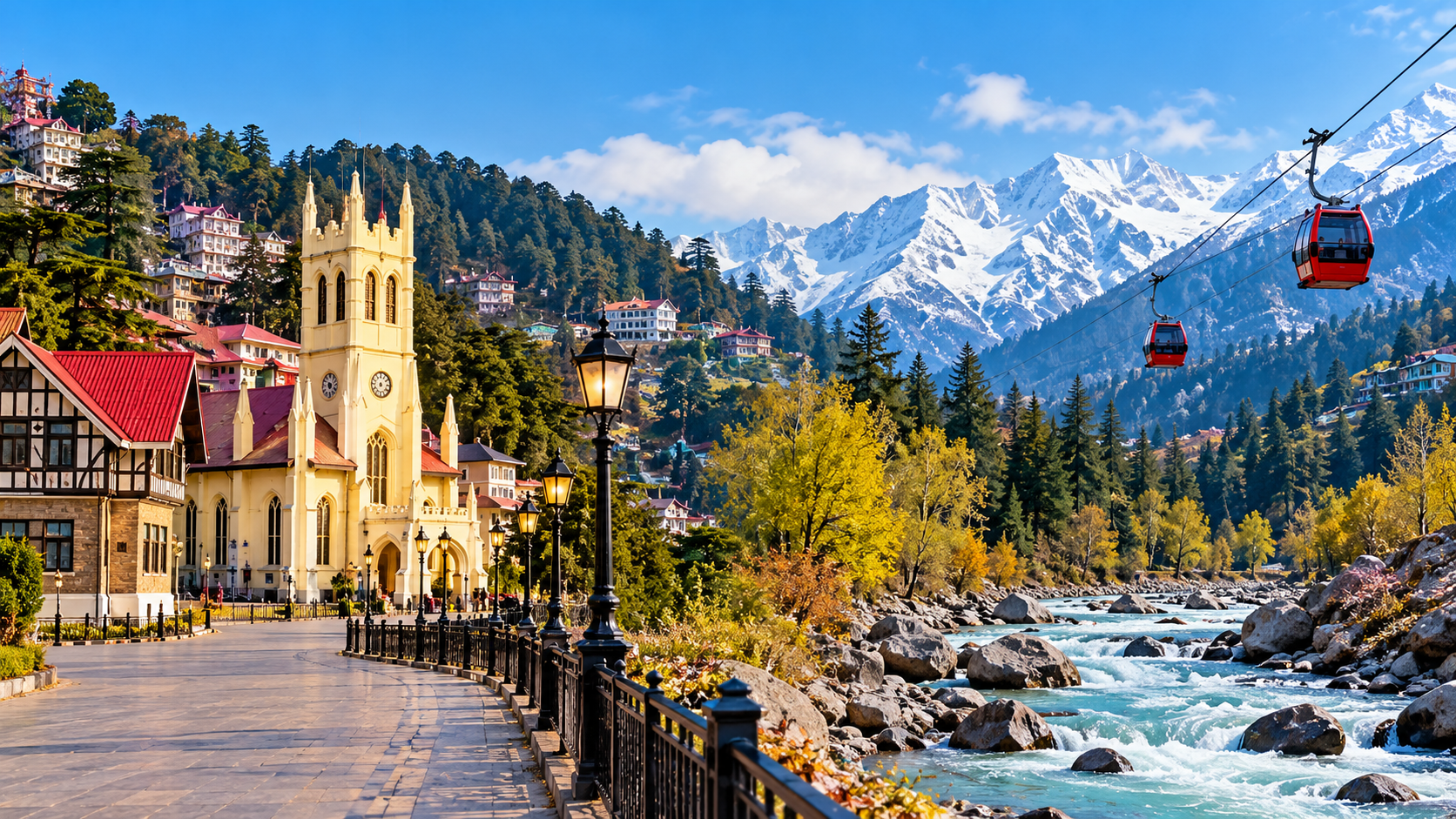
Planning a Shimla Manali tour package? The twin hill destinations of Himachal Pradesh offer a mix of mountain scenery, charming hill towns, scenic drives and seasonal experiences. From exploring Shimla’s famous Mall Road to discovering the valleys and attractions around Manali, each destination offers something different throughout the year.
However, choosing the right month can make a significant difference to your trip. Summer is popular for sightseeing and escaping the heat of the plains, the monsoon brings lush landscapes but can affect road travel, and winter offers opportunities to experience cold mountain weather and occasional snowfall.
In this guide, we explore the best time to visit Shimla and Manali, month-by-month weather patterns, historical seasonal conditions, popular attractions, itinerary options and estimated travel costs. We also explain what to check before departure so you can plan your journey with realistic expectations.
Whether you are planning a family holiday, a trip with friends or a relaxing mountain getaway, this guide will help you choose a suitable travel period and prepare for your Shimla–Manali journey.
Current Weather in Shimla and Manali — 15 October 2026
According to the India Meteorological Department (IMD), Shimla Airport recorded a maximum temperature of 23.8°C and a minimum of 14.9°C on 15 October 2026. Manali recorded a maximum of 11.2°C and a minimum of 8.7°C.
The IMD forecast thunderstorms with rain for both locations on 15 October, followed by partly cloudy or mainly clear conditions from 16 October in its published seven-day forecast. These conditions are a dated snapshot and may change, so travellers should check the latest forecast before departure.
Current Weather in Shimla and Manali
According to Himachal Tourism, Shimla generally experiences moderate conditions during autumn, while Manali becomes progressively colder as winter approaches. Temperatures can differ considerably between the two towns and nearby mountain areas.
Travellers should check the latest India Meteorological Department (IMD) forecast for both destinations before departure. Pack clothing suitable for cool mornings, evenings and changing mountain weather.
Road Conditions and Accessibility
Road conditions are an important consideration when travelling through Himachal Pradesh. Rainfall, landslides, road maintenance and traffic congestion can affect journey times, even when the weather appears clear.
Before travelling, check official road-status updates and local district administration advisories. If your itinerary includes Solang Valley, Atal Tunnel or Rohtang Pass, confirm accessibility and any applicable restrictions separately.
The official Lahaul and Spiti district road-status page provides updates for routes in the wider Manali region. These updates should not be treated as confirmation that every tourist route or attraction is accessible.
What Should Travellers Prepare For?
Before beginning your Shimla Manali tour, consider the following:
- Carry layers of clothing for changing temperatures throughout the day.
- Keep comfortable footwear and rain protection available.
- Allow additional travel time for mountain roads and busy tourist areas.
- Check official weather warnings and road updates shortly before departure.
- Keep your itinerary flexible if weather or access restrictions affect planned activities.
Is October a Good Time to Visit Shimla and Manali?
October can be a suitable month for travellers who prefer cooler weather and mountain sightseeing without specifically planning a snowfall holiday. However, snowfall is not guaranteed, and conditions at higher elevations can differ from those in the main towns.
The most reliable approach is to combine historical seasonal patterns with current official weather forecasts and road updates before confirming your travel plans.
Shimla Manali Weather by Month — January to December
Choosing the right month is an important part of planning a Shimla Manali tour package. Weather conditions in the Himalayan region vary throughout the year, influencing sightseeing, outdoor activities, road accessibility and the possibility of experiencing snowfall.
Historical records from the India Meteorological Department show that snowfall in Shimla has generally occurred from the second half of December through the first half of March. However, snowfall varies considerably between years and locations.
The following guide explains what travellers can generally expect during each month.
January — Winter and Snowfall Opportunities
January is one of the coldest months for a Shimla Manali trip. Temperatures can fall below freezing during cold spells, particularly at higher elevations. Snowfall is possible, but it is not guaranteed in either town.
Travel tip: Carry warm winter clothing and check road conditions before visiting higher-altitude attractions.
February — Winter Landscapes
Cold conditions can continue through February, and snowfall remains possible. Higher-altitude locations may have different conditions from the main tourist towns.
Travel tip: Allow flexibility for outdoor sightseeing and check local forecasts before planning snow-related activities.
March — Transition Towards Spring
March marks a transition from winter towards spring, although cold weather can persist at higher elevations. Snow may remain in some locations, depending on the winter's conditions.
Travel tip: Pack layers, as temperatures and conditions can change between Shimla, Manali and surrounding mountain areas.
April — Spring Sightseeing
April generally brings milder conditions in the main hill towns, making it a suitable period for sightseeing and scenic drives. Higher elevations can remain colder.
Travel tip: Check which high-altitude attractions are accessible before finalising your itinerary.
May — Popular Summer Travel
May is a popular holiday period, with comparatively comfortable conditions in the hills and warmer weather across many parts of India. Tourist demand can increase during school holidays.
Travel tip: Book accommodation and transport in advance, especially for weekends and holiday periods.
June — Summer Holidays and Outdoor Activities
June generally offers pleasant conditions for sightseeing in the main tourist areas, although pre-monsoon rain and changing mountain weather are possible.
Travel tip: Confirm the availability of outdoor activities and high-altitude routes before travelling.
July — Monsoon Conditions
July falls within the southwest monsoon season. The hills become greener, but heavy rainfall can increase the risk of landslides, falling rocks and road disruption.
Travel tip: Monitor official weather warnings and road updates, and keep alternative plans available.
August — Rainfall and Travel Precautions
August is also part of the monsoon season. Rain, mist and changing road conditions can affect travel schedules and visibility.
Travel tip: Prioritise current safety advisories over a fixed sightseeing schedule.
September — Transition After the Monsoon
September is a transition period, and rainfall can continue even as conditions begin to improve. Landscapes may remain green after the rainy season.
Travel tip: Check recent rainfall and road conditions rather than assuming the monsoon has ended everywhere.
October — Autumn Sightseeing
October generally offers cooler weather and opportunities for sightseeing in Shimla and Manali. Nights become colder as winter approaches.
Travel tip: Carry light warm layers and check conditions before planning excursions to higher elevations.
November — Early Winter
November brings colder mornings and evenings. Snowfall may occur at higher elevations during suitable weather conditions, but it should not be expected everywhere.
Travel tip: Confirm attraction opening dates and road accessibility before booking activities at high altitude.
December — Winter Holiday Season
December marks the winter travel season, with increasingly cold conditions and the possibility of snowfall. The timing and amount of snow vary from year to year.
Travel tip: If snowfall is your priority, review recent weather reports and remain flexible with your itinerary.
What Historical Weather Patterns Tell Us
The monthly descriptions above are broad seasonal guidance, not a statistical forecast. For example, IMD's historical Shimla records show average snowfall of around 38 cm in January and 39 cm in February across the winter seasons covered by its older study. These figures describe that historical dataset, not expected snowfall in any particular future year.
For the monsoon, Himachal Pradesh's official tourism guidance warns travellers about slippery roads and landslides during July and August. Actual risk depends on rainfall, location and current conditions.
Travel tip: Before travelling, check the latest India Meteorological Department (IMD) forecast and official road updates, especially if your itinerary includes mountain roads or high-altitude destinations.
Best Time to Visit Shimla and Manali
The best time to visit Shimla and Manali depends on the type of holiday you want to experience. Some travellers prefer pleasant weather and mountain sightseeing, while others look forward to winter landscapes and the possibility of snowfall. Understanding seasonal weather patterns can help you choose the right period for your Shimla Manali tour package.
Generally, March to June is popular for sightseeing and summer holidays, while December to February attracts travellers hoping to experience winter conditions. July and August fall within the monsoon season, when rainfall can affect road travel and outdoor activities. These are broad seasonal patterns, and actual conditions vary each year.
1. Winter: December to February
Winter is worth considering if you want to experience cold mountain weather and potentially see snow.
What to expect:
- Cold mornings and evenings, with temperatures sometimes below freezing.
- Possibility of snowfall, depending on weather conditions and location.
- Winter scenery and seasonal activities where available.
- Increased demand during Christmas, New Year and holiday periods.
Who should consider it? Travellers interested in winter landscapes, couples and families comfortable with cold weather.
Important: Snowfall is never guaranteed in Shimla or Manali on a particular date. Check recent weather reports and road conditions before departure.
2. Spring and Summer: March to June
Spring and early summer are popular periods for exploring hill towns, visiting temples, enjoying scenic drives and discovering local attractions.
What to expect:
- Generally milder conditions in the main tourist towns than in the winter months.
- Opportunities for sightseeing and outdoor activities, subject to local conditions.
- Higher visitor demand during school holidays and long weekends.
- Colder weather at higher elevations, even when the main towns feel comfortable.
Who should consider it? Families, first-time visitors, groups of friends and travellers looking for a sightseeing-focused holiday.
3. Monsoon: July to September
The monsoon brings rainfall and greener mountain landscapes, but it also requires more careful travel planning.
What to expect:
- Rain, mist and reduced visibility at times.
- Possible landslides, road closures and traffic disruptions.
- Changes to outdoor activities and high-altitude excursions.
- The need to monitor official weather warnings and road updates.
Who should consider it? Travellers with flexible schedules who understand the weather-related risks and are comfortable adjusting their itinerary.
Travel advice: Do not choose this season solely for discounted accommodation. Check the current safety situation and avoid travelling through routes affected by official warnings.
4. Autumn: October to November
Autumn can be an appealing period for travellers who prefer cooler weather and mountain sightseeing without planning their holiday around snowfall.
What to expect:
- Cooler temperatures, particularly in the mornings and evenings.
- Opportunities to explore local attractions and enjoy mountain views.
- Increasingly cold conditions as November progresses.
- Variable weather at higher elevations.
Who should consider it? Couples, families and travellers looking for a sightseeing-oriented holiday with fewer monsoon-related concerns.
Which season should you choose?
Your ideal travel month depends on your priorities:
- For sightseeing: Consider spring, summer or autumn, while checking the forecast.
- For the possibility of snowfall: Consider winter, but verify recent conditions.
- For a family holiday: Choose dates that suit your family’s weather preferences and travel needs.
- For monsoon travel: Review official warnings, road access and cancellation flexibility before booking.
Ultimately, the best Shimla Manali tour package is one that matches your preferred experience, available travel dates and comfort level. Before finalising your trip, check the latest weather forecast and the accessibility of the attractions included in your itinerary.
Best Places to Visit in Shimla and Manali
Shimla and Manali are among the well-known hill destinations in Himachal Pradesh, offering mountain views, historic landmarks, temples, scenic valleys and outdoor experiences. When planning a Shimla Manali tour package, choosing the right attractions can help you make the most of your holiday.
Some places are suitable for relaxed sightseeing, while others depend on weather, road accessibility and seasonal restrictions. Here are the major attractions to consider when planning your trip.
Best Places to Visit in Shimla
1. The Ridge
The Ridge is one of Shimla’s most recognisable public spaces, known for its open views of the surrounding mountains and its location near the town centre. It is a convenient place to enjoy a walk, take photographs and explore nearby landmarks.
Best for: Scenic views, photography and relaxed walks.
2. Mall Road
Mall Road is a popular area for shopping, cafés, restaurants and leisurely walks. Visitors can explore local shops, try regional food and experience Shimla’s town atmosphere.
Best for: Shopping, food and evening walks.
3. Christ Church
Located near The Ridge, Christ Church is a historic landmark known for its architecture and prominent position in central Shimla. It is easy to include in a walking tour of the main town.
Best for: Architecture, history and photography.
4. Jakhu Temple
Jakhu Temple is dedicated to Lord Hanuman and is situated on Jakhu Hill, one of Shimla’s prominent elevated areas. Visitors can enjoy views of the surrounding landscape, subject to weather and visibility.
Best for: Religious visits and mountain views.
Travel tip: The uphill approach may require additional care for visitors with mobility concerns. Check local access arrangements before visiting.
5. Kufri
Kufri is a popular excursion from Shimla, known for its mountain scenery and seasonal outdoor activities. Conditions vary considerably throughout the year, particularly during winter and periods of heavy rain or snow.
Best for: Mountain scenery, family outings and seasonal activities.
Best Places to Visit in Manali
1. Hadimba Devi Temple
Surrounded by cedar trees, Hadimba Devi Temple is known for its distinctive traditional wooden architecture and peaceful forest setting. It is one of the popular cultural attractions in Manali.
Best for: Architecture, cultural sightseeing and photography.
2. Old Manali
Old Manali offers a different atmosphere from the busier parts of town, with cafés, small shops and walking routes through the surrounding neighbourhoods.
Best for: Cafés, relaxed exploration and local experiences.
3. Solang Valley
Solang Valley is known for its mountain scenery and seasonal adventure activities. The activities available depend on weather, operator arrangements and local restrictions.
Best for: Scenic views, photography and outdoor experiences.
Travel tip: Confirm activity availability, safety requirements and prices before booking.
4. Atal Tunnel and the Lahaul Valley
The Atal Tunnel provides road access towards Lahaul from the Manali side, subject to prevailing road and weather conditions. The wider region offers striking mountain landscapes and a different environment from the forested valleys around Manali.
Best for: Mountain drives, photography and exploring the wider Himalayan region.
Travel tip: Check official road updates and local advisories before travelling. Do not assume that all routes or nearby attractions will be accessible in winter.
5. Rohtang Pass
Rohtang Pass is a high-altitude mountain pass associated with dramatic Himalayan views and seasonal snow. Access is subject to seasonal opening, weather, road conditions and applicable permit requirements.
Best for: High-altitude scenery and seasonal snow experiences.
Travel tip: Confirm access and permit requirements before including Rohtang Pass in your itinerary.
How to Choose Attractions for Your Travel Dates
The attractions you can comfortably visit depend on your travel dates, available time and current road conditions. Shimla's central landmarks can be grouped into a town sightseeing day, while Kufri is better planned as a separate excursion if you want enough time to explore.
In Manali, Hadimba Devi Temple and Old Manali can fit into a local sightseeing plan. Solang Valley and destinations beyond Atal Tunnel require separate checks for weather, travel time and road access.
If your trip falls during winter or the monsoon, keep alternative activities available and confirm accessibility before leaving your hotel.
How Many Days Do You Need for Shimla and Manali?
A trip of approximately six to seven days can provide time to explore the main attractions in both destinations, depending on your starting point, transport arrangements and preferred pace.
A shorter trip may require prioritising a smaller number of attractions. Travellers coming from Hyderabad should also account for the time needed to reach Himachal Pradesh and return home.
Tips for Planning Your Sightseeing
- Group attractions geographically to avoid unnecessary travel.
- Allow additional time for mountain roads and traffic.
- Check weather forecasts before scheduling high-altitude excursions.
- Confirm seasonal opening dates, road access and permit requirements.
- Keep alternative sightseeing options available if weather affects your plans.
By selecting attractions according to your travel dates and interests, you can build a more practical itinerary and enjoy a better-planned Shimla and Manali holiday.
Shimla Manali 6-Day and 7-Day Tour Itinerary
Planning the right itinerary is an important part of choosing a Shimla Manali tour package. Six to seven days can provide a reasonable starting point for exploring both hill stations, but the ideal duration depends on your arrival city, transport arrangements, sightseeing preferences and current road conditions.
For travellers coming from Hyderabad, it is important to account for the time required to reach Himachal Pradesh, not just the sightseeing days.
Option 1: 6-Day Shimla Manali Itinerary
Day 1: Arrival and Transfer to Shimla
Arrive at your designated arrival point and continue towards Shimla by road. Depending on your arrival time and traffic, the journey may take several hours.
After checking in, spend the remaining time relaxing or exploring nearby areas if time permits.
Highlights: Scenic mountain drive, hotel check-in and leisure time.
Day 2: Shimla Local Sightseeing
Explore Shimla's main attractions, including The Ridge, Mall Road and Christ Church. You can also visit Jakhu Temple, subject to your schedule and local conditions.
If time allows, consider an excursion to Kufri, depending on road accessibility and weather.
Highlights: Heritage landmarks, shopping, mountain views and local experiences.
Day 3: Shimla to Manali
Travel from Shimla to Manali by road. This is a substantial mountain journey, so plan for much of the day to be spent in transit.
After arrival, check in to your accommodation and relax. If you arrive early enough, explore nearby areas without rushing.
Highlights: Scenic drive and arrival in Manali.
Day 4: Manali Local Sightseeing
Visit Hadimba Devi Temple and explore nearby attractions. Depending on your interests, you can also visit Old Manali and enjoy its cafés, shops and walking areas.
Keep the schedule flexible to allow time for travel between attractions.
Highlights: Temple architecture, forest surroundings and local culture.
Day 5: Solang Valley and Nearby Attractions
Plan an excursion to Solang Valley for mountain scenery and seasonal activities, subject to weather and accessibility.
If your itinerary includes Atal Tunnel or the Lahaul Valley, confirm road conditions and available travel time before combining these destinations.
Highlights: Mountain landscapes, photography and optional outdoor activities.
Day 6: Departure
After breakfast, begin your return journey to your designated departure point.
If you are travelling onward to an airport or railway station, allow sufficient buffer time for mountain-road delays. Depending on your departure schedule, an additional night may be more practical.
Highlights: Return transfer and onward travel.
Option 2: 7-Day Shimla Manali Itinerary
A seven-day itinerary offers more flexibility and can be more comfortable for travellers who want additional sightseeing time.
Day 1: Arrival and Transfer to Shimla
Arrive at your designated starting point, travel to Shimla and check in to your hotel.
Day 2: Shimla Sightseeing
Explore The Ridge, Mall Road, Christ Church and Jakhu Temple, depending on your interests and available time.
Day 3: Kufri Excursion and Leisure
Visit Kufri if weather and road conditions permit. Keep the rest of the day flexible for shopping, cafés or additional local sightseeing.
Day 4: Shimla to Manali
Travel to Manali by road. Allow adequate time for the journey and settle into your accommodation on arrival.
Day 5: Manali Local Sightseeing
Explore Hadimba Devi Temple, Old Manali and other accessible local attractions.
Day 6: Solang Valley Excursion
Visit Solang Valley and consider other nearby attractions only after confirming accessibility, travel time and any applicable restrictions.
Day 7: Departure
Begin your return journey, allowing enough time for onward transport connections.
Which Itinerary Should You Choose?
A six-day itinerary may suit travellers with limited leave who want to cover the main highlights. A seven-day plan offers more flexibility for sightseeing and rest.
For travellers starting in Hyderabad, remember that the itinerary's total duration must account for travel to and from Himachal Pradesh. Depending on flight or rail connections, you may need additional days beyond the sightseeing schedule described here.
Is Six or Seven Days Enough from Hyderabad?
A six-day itinerary may suit travellers who have limited leave and can arrange convenient transport connections. However, the time needed to reach Himachal Pradesh and return to Hyderabad can reduce the number of hours available for sightseeing.
A seven-day plan offers more flexibility, but travellers should check whether the arrival and departure days are included in the total duration. Depending on transport schedules and personal preferences, allowing additional time may make the journey more comfortable.
Before booking, confirm the arrival point, transfer duration, hotel check-in time and return connection. Avoid scheduling high-altitude excursions too tightly, particularly during periods of unsettled weather.
Important Planning Considerations
- Travel times depend on traffic, weather, road conditions and the exact starting point.
- High-altitude attractions may have seasonal restrictions or temporary closures.
- Snowfall and adventure activities are not guaranteed.
- Keep your itinerary flexible during the monsoon and winter seasons.
- Confirm hotel check-in times, transport arrangements and package inclusions before booking.
A well-planned Shimla Manali itinerary balances sightseeing with enough time for mountain travel. Choosing a realistic schedule helps reduce unnecessary rushing and makes the overall holiday more enjoyable.
Shimla Manali Trip Cost from Hyderabad
Planning your budget is an important step when choosing a Shimla Manali tour package from Hyderabad. The total cost depends on your travel dates, transport arrangements, hotel category, number of travellers, sightseeing preferences and the services included in your package.
Winter holidays, school vacations and long weekends can influence accommodation and transport prices. Instead of relying on one fixed price, compare the different components of your trip to understand the overall budget.
What Is the Cost of a Shimla Manali Trip from Hyderabad?
Your total trip budget typically includes the following expenses.
1. Flights or Train Tickets
Travellers from Hyderabad need to plan their journey to Himachal Pradesh. Depending on available connections, you may travel by air or rail to a suitable arrival point and continue towards Shimla or Manali by road.
Compare the total journey cost, including onward transfers, baggage requirements and arrival timings.
2. Hotel Accommodation
Accommodation costs vary according to location, room category, travel season and occupancy.
- Budget stays: Basic accommodation with essential facilities.
- Mid-range hotels: Additional comfort and amenities for families and couples.
- Premium stays: Higher-category hotels or resorts with upgraded facilities and views.
Check whether breakfast, other meals, taxes and extra-bed charges are included in the quoted price.
3. Transfers and Local Transportation
Road transportation is an important part of a Shimla Manali holiday. Your expenses may include transfers between arrival points and hotels, the Shimla-to-Manali journey, and local sightseeing.
Confirm whether your package includes a private vehicle, shared transport or a combination of services.
4. Sightseeing and Activities
Some sightseeing expenses may be included in the package, while others are paid separately. Adventure activities, entry tickets, parking, permits and seasonal excursions may add to your budget.
Always check the inclusions and exclusions before comparing two tour packages.
5. Food and Personal Expenses
Your budget should also account for meals not covered by the hotel, snacks, shopping and other personal expenses.
Shimla Manali Trip Cost Calculator: What to Include
How to calculate your budget: Add the expected costs for all travellers, including onward transfers and return travel. Divide the total by the number of travellers to estimate the per-person cost.
Prices vary according to travel dates, hotel category, occupancy and transport arrangements. Add actual supplier quotations only after confirming the travel dates and package inclusions.
How to Plan a Shimla Manali Trip on Your Budget
- Travel on dates that suit your budget and availability.
- Compare the complete package inclusions rather than only the headline price.
- Book transport and accommodation after confirming the itinerary.
- Keep additional funds for weather-related changes or unexpected travel expenses.
- Confirm cancellation, refund and rescheduling policies before making payment.
Is a Shimla Manali Tour Package Worth Considering?
A tour package may simplify planning by combining accommodation, transfers and sightseeing into one itinerary. Booking separately may offer more flexibility, depending on your travel preferences and the prices available.
The right option depends on your budget, desired comfort level and how much planning you want to manage yourself.
If you are considering a Shimla Manali holiday from Hyderabad, compare the actual itinerary, travel duration, accommodation category and inclusions before choosing a package.
How to Reach Shimla and Manali from Hyderabad
If you are planning a Shimla Manali tour package from Hyderabad, choosing the right travel route can help you save time and organise your holiday more comfortably. Since Shimla and Manali are located in the Himalayan region of Himachal Pradesh, reaching either destination generally involves air or rail travel followed by a road journey, depending on your chosen connections.
The most suitable route depends on your budget, travel dates, arrival timings and the amount of time you want to spend travelling.
1. By Flight from Hyderabad
Flying is an option for travellers who want to reduce the long-distance journey from Hyderabad.
You can compare flights from Hyderabad to Chandigarh or other suitable airports serving Himachal Pradesh, depending on available schedules and connections. From your arrival airport, you will generally need road transportation to reach Shimla or Manali.
Things to consider:
- Check whether direct flights or connecting flights are available for your dates.
- Compare total journey time, including airport transfers.
- Allow sufficient buffer time between your flight and onward road journey.
- Confirm road conditions before travelling towards the hill stations.
2. By Train from Hyderabad
Travelling by train may suit visitors who prefer rail travel or want to compare transport costs.
You can check available trains from Hyderabad towards suitable railheads, including Chandigarh or Kalka, depending on the route and timetable. You will then need onward transport to Shimla or Manali.
Travellers heading to Shimla may also consider the Kalka–Shimla railway, a scenic narrow-gauge railway route, subject to service availability and their schedule.
Things to consider:
- Verify train schedules, ticket availability and total journey duration.
- Check the time required for onward transfers.
- Account for the additional road journey to Manali.
- Avoid planning a tight connection between separate transport bookings.
3. By Road from Chandigarh to Shimla and Manali
Chandigarh can serve as a convenient starting point for road travel towards Himachal Pradesh, depending on your flight or train connections.
The onward journey involves mountain roads, and travel time can vary according to traffic, weather, roadwork and seasonal conditions.
If your itinerary covers both Shimla and Manali, plan enough time for the intercity transfer rather than treating it as a short local drive.
Things to consider:
- Choose reliable transport suited to mountain roads.
- Allow additional time during weekends and holiday periods.
- Check official road updates during the monsoon and winter.
- Confirm the pickup point, luggage arrangements and transfer inclusions before booking.
4. Which Route Is Best for a Shimla Manali Trip?
The best route depends on your priorities.
- For a time-conscious trip: Compare suitable flight connections and the onward road journey.
- For rail travel: Compare available trains, arrival times and onward transfers.
- For a more flexible itinerary: Consider transport arrangements that allow sufficient time between destinations.
- For families or groups: Compare the convenience and total cost of coordinated transfers.
There is no single best route for every traveller. Check actual schedules and availability for your travel dates before finalising your plans.
Travel Planning Tips for Visitors from Hyderabad
Before booking your Shimla Manali holiday, confirm the complete journey from departure to return. Consider transport costs, accommodation check-in times, sightseeing schedules and possible weather-related delays.
A well-coordinated itinerary can reduce unnecessary waiting and make your holiday easier to manage. When comparing a Shimla Manali tour package from Hyderabad, check whether the quoted price includes flights or train tickets, airport transfers, intercity transport and local sightseeing.
Which Route Should You Choose?
The best route for a Shimla Manali trip from Hyderabad depends on your travel dates, budget and available connections. Compare the complete journey, including flights or trains, transfers to your hotel and the road journey between Shimla and Manali.
Before booking, verify current flight and train schedules, onward transfer availability and arrival times. If you are travelling with family or have limited leave, consider the total travel time rather than choosing a route based only on ticket price.
Allow a buffer for mountain-road delays and avoid tight connections between separately booked transport services.
What to Pack for Shimla and Manali
Packing appropriately for your trip can make a significant difference to your comfort in the mountains. Weather in Shimla and Manali changes with the season, and temperatures can vary between the main towns and higher-altitude attractions.
If you are planning a Shimla Manali tour package, use this checklist to prepare for your travel month and planned activities.
1. Clothing for Winter: December to February
Winter can bring very cold conditions, particularly at night and at higher elevations. Snowfall is possible in suitable conditions but is not guaranteed.
Consider packing:
- Thermal innerwear and warm layers.
- A winter jacket suitable for cold conditions.
- Gloves, a woollen cap and warm socks.
- Comfortable shoes with good grip.
- Additional warm clothing for children and older travellers, if needed.
Travel tip: Choose footwear appropriate for potentially wet, icy or slippery surfaces when visiting locations where snow or ice is present.
2. Clothing for Spring and Summer: March to June
Conditions are often milder in the main tourist towns during spring and early summer, although evenings and higher elevations can remain cold.
Consider packing:
- Comfortable everyday clothing.
- Light jackets or sweaters for cooler mornings and evenings.
- Walking shoes suitable for sightseeing.
- Sunglasses, sunscreen and a reusable water bottle.
- A light rain jacket for unexpected showers.
Travel tip: Pack layers rather than relying entirely on summer clothing, especially if your itinerary includes higher-altitude destinations.
3. Essentials for Monsoon Travel: July to September
Rainfall can affect road conditions, visibility and outdoor activities during the monsoon.
Consider packing:
- A raincoat or waterproof jacket.
- An umbrella for suitable conditions.
- Quick-drying clothing.
- Shoes with good grip.
- Waterproof bags or covers for electronics and important documents.
Travel tip: Packing correctly does not remove weather-related risks. Check official weather warnings and road advisories before travelling, and reconsider journeys affected by serious safety alerts.
4. Essentials for October and November
Autumn brings cooler weather, with colder mornings and evenings as winter approaches.
Consider packing:
- T-shirts or comfortable base layers.
- A fleece, sweater or warm jacket.
- Long trousers and comfortable walking shoes.
- A light rain jacket.
- Extra warm layers if visiting higher elevations.
5. Documents and Personal Essentials
Regardless of the month, remember to carry:
- Valid photo identification and booking confirmations.
- Flight or train tickets and hotel details.
- Personal medicines and essential prescriptions, if applicable.
- Phone chargers and a power bank.
- Travel insurance documents, if you have insurance.
- Some cash for locations where digital payments may be unavailable.
6. What to Check Before Leaving for Shimla and Manali
Before departure, review your itinerary and the latest local conditions.
- Check the weather forecast for Shimla, Manali and any high-altitude destinations.
- Confirm road accessibility for places such as Solang Valley and Rohtang Pass.
- Verify activity availability, opening arrangements and permit requirements.
- Keep warm clothing available even if the weather in your departure city is hot.
- Follow official advisories if heavy rainfall, snowfall or road closures are reported.
The right packing list depends on the season, the activities you plan to enjoy and your personal comfort needs. Preparing for changing mountain weather can help make your Shimla Manali holiday more comfortable and organised.
Common Mistakes to Avoid When Booking a Shimla Manali Tour Package
Booking a Shimla Manali holiday involves more than choosing a hotel and selecting sightseeing spots. Travel dates, weather conditions, road accessibility and package inclusions can all affect your experience.
Before confirming a Shimla Manali tour package, consider these common mistakes to help you plan a more comfortable and well-organised trip.
1. Assuming Snowfall Is Guaranteed
Many travellers choose Shimla and Manali hoping to experience snowfall, particularly during winter. However, snowfall depends on weather systems, altitude and local conditions. A destination may experience cold weather without receiving fresh snow during your visit.
What to do: Choose your travel dates based on your overall holiday preferences. Check recent weather reports before departure, and avoid booking on the assumption that snowfall is guaranteed.
2. Underestimating Travel Time Between Destinations
Shimla and Manali are both in Himachal Pradesh, but travelling between them involves a substantial road journey through mountainous terrain.
Trying to fit too many attractions into a short itinerary can leave little time to enjoy each destination.
What to do: Choose a realistic itinerary, allow sufficient time for road transfers and keep your sightseeing schedule flexible.
3. Booking Without Checking Package Inclusions
Two packages may advertise similar durations and prices but provide different services. One may include accommodation and local transfers, while another may exclude transport tickets, meals or sightseeing expenses.
What to do: Before booking, confirm:
- Hotel category and room occupancy.
- Meals included in the package.
- Arrival, departure and intercity transfers.
- Local sightseeing and entry fees.
- Optional activities and permit costs.
- Taxes, cancellation charges and refund conditions.
4. Ignoring Seasonal Weather Risks
The monsoon can bring heavy rainfall and landslide risks, while winter can bring snow, ice and temporary road restrictions. Conditions may change quickly in mountainous areas.
What to do: Check official weather forecasts and local road advisories before departure. Keep alternative plans available and follow official instructions if travel becomes unsafe.
5. Planning Too Many High-Altitude Attractions
Places such as Solang Valley and Rohtang Pass can offer memorable mountain experiences, but accessibility depends on the season, weather, road conditions and applicable permissions.
What to do: Confirm the availability of each attraction before including it in your final itinerary. Avoid treating every location as accessible throughout the year.
6. Choosing a Package Based Only on Price
A low advertised price does not necessarily represent the best overall value. Accommodation location, transport quality, sightseeing coverage and additional charges can affect the total cost.
What to do: Compare the complete itinerary and final payable amount, including exclusions, before making a decision.
7. Forgetting to Plan the Journey from Hyderabad
Travellers departing from Hyderabad need to account for flights or trains, onward road transfers and the time required to reach their hotels.
A package that counts only sightseeing days may not include the full time needed for your return journey.
What to do: Confirm the complete travel schedule, arrival and departure points, transfer arrangements and buffer time for possible delays.
8. Not Checking Cancellation and Refund Policies
Unexpected weather conditions, transport disruptions or personal circumstances can sometimes affect travel plans.
What to do: Read the cancellation, rescheduling and refund terms carefully before paying. Ask which changes are permitted and whether any charges apply.
Final Checklist Before Booking
Before confirming your Shimla Manali tour package, make sure you have:
- Selected travel dates that suit your preferences.
- Reviewed the itinerary and total journey duration.
- Checked hotel details and package inclusions.
- Verified current weather and road conditions.
- Confirmed high-altitude attraction access where relevant.
- Read the payment, cancellation and refund terms.
A little preparation can help you make a more informed booking decision and reduce avoidable surprises during your holiday.
Frequently Asked Questions About Shimla and Manali
1. Which month is best for a Shimla Manali trip?
March to June is popular for sightseeing and summer holidays, while December to February attracts travellers interested in winter scenery and the possibility of snowfall. The best month depends on your preferences, budget and current weather conditions.
2. Is snowfall guaranteed in Shimla and Manali in December or January?
No. Snowfall depends on weather conditions, altitude and location. Even during winter, snowfall is not guaranteed in the main towns. Check recent weather reports before finalising your travel plans.
3. How many days are sufficient for Shimla and Manali?
Around six to seven days can provide time to explore the main attractions, depending on your itinerary. Travellers starting from Hyderabad should also account for travel to Himachal Pradesh and the return journey. Check whether the quoted package duration includes both travel days.
4. What is the cost of a Shimla Manali tour package from Hyderabad?
The total cost depends on travel dates, transport, hotel category, number of travellers and package inclusions. Compare current quotations and check whether flights or train tickets, transfers, meals, sightseeing and applicable permits are included before booking.
5. Is Shimla and Manali suitable for a family holiday?
Yes, both destinations offer sightseeing, cultural attractions and scenic experiences that families may enjoy. Choose an itinerary appropriate for your family's needs, and consider road journey duration, weather and accessibility when travelling with children or older family members.
6. Is it advisable to visit Shimla and Manali during the monsoon?
Monsoon travel requires additional caution because heavy rainfall can cause landslides, road closures and travel delays. Check official weather warnings and local road conditions before departure, and avoid routes affected by safety advisories.
7. What should travellers check before departure?
Review the latest weather forecast, road accessibility, hotel bookings, transport schedules and attraction opening arrangements. If your itinerary includes high-altitude destinations, confirm applicable permits and restrictions.
8. How can I reach Shimla and Manali from Hyderabad?
You can compare flights or train connections to suitable arrival points, followed by road transfers. Your best route depends on available schedules, total travel time, budget and whether your itinerary covers both destinations.
9. Can the Shimla Manali itinerary change because of weather?
Yes. Heavy rain, snowfall, road closures and local restrictions can affect sightseeing and transport. A flexible itinerary and suitable alternative activities can help you manage unexpected changes.
10. What should I look for when choosing a Shimla Manali tour package?
Compare the itinerary, accommodation, transport, sightseeing inclusions, total price, cancellation policy and support arrangements. Choose a package that suits your travel dates, budget and preferred experience rather than comparing prices alone.
Plan Your Shimla Manali Holiday with BuildMyTrip
Shimla and Manali offer a memorable combination of mountain scenery, cultural attractions and seasonal travel experiences. Choosing the right travel month, planning a realistic itinerary and understanding local weather conditions can help you make the most of your holiday.
Whether you are looking for a family getaway, a scenic mountain escape or a winter holiday with the possibility of snowfall, your travel plans should match your preferences, schedule and budget.
At BuildMyTrip, we believe a well-planned holiday starts with understanding what matters most to you. From exploring tour options to comparing itineraries and travel arrangements, the right planning can make your Shimla Manali journey more comfortable and organised.
Planning a Shimla Manali tour package from Hyderabad or another city in India? Contact BuildMyTrip to enquire about available packages, itinerary options, accommodation and transport arrangements.
Start planning your Shimla Manali holiday with BuildMyTrip and prepare for a memorable mountain getaway.